Of all the disasters that can happen to a home, a sewage backup is the one homeowners most want to handle quickly — and the one they least should handle themselves. Sewage is what the restoration industry calls Category 3 water: grossly contaminated, carrying bacteria, viruses, and parasites from the sanitary sewer. Here is what a professional cleanup actually looks like, so you know what to expect and why each step matters.
Step 1: Stop the source and secure the area
First, the flow has to stop. If the backup is coming from your own fixtures, stop using water in the house — every flush and drain adds to it. If a municipal line is involved, the city may need to clear the main. The affected area gets closed off: kids and pets out, doors shut, and the HVAC registers in the zone covered or the system paused so contaminated air is not pulled through the house.
Step 2: Assessment and safety setup
The crew inspects the extent of the spread — sewage wicks into porous materials well beyond the visible puddle. Technicians work in full protective equipment: respirators, gloves, suits, and eye protection. This is not theater; it is the standard response to water that can carry E. coli, salmonella, hepatitis A, and other pathogens.
Step 3: Extraction and removal of solids
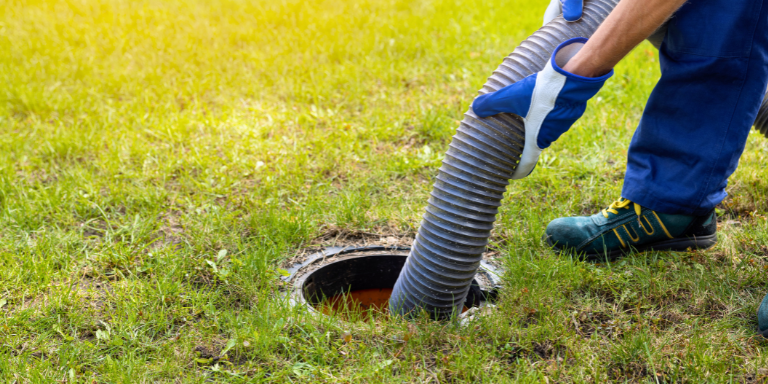
Standing sewage and solid waste are extracted with specialized pumps and wet vacuums and disposed of according to local regulations for contaminated material. Nothing from a sewage event goes down your household drains or into your regular trash in bulk — disposal is part of the job.
Step 4: Removing what cannot be saved
This is the step homeowners resist, so it helps to know the rule: porous materials that sewage has soaked generally cannot be reliably decontaminated. Carpet and pad, upholstered furniture, drywall up to above the contamination line, insulation, and cardboard or paper goods typically come out. Hard, non-porous surfaces — concrete, tile, sealed fixtures — can usually be cleaned and disinfected in place. A good crew explains each call and documents what was removed, which your insurer will want as well.
Step 5: Cleaning and disinfection
Remaining surfaces are cleaned to remove soil and organic matter first — disinfectant does not work well through dirt — then treated with an appropriate antimicrobial disinfectant, applied with proper dwell time. In tougher cases this happens in more than one pass.
Step 6: Drying
With the contamination removed, structural drying begins: air movers and dehumidifiers bring the subfloor, framing, and remaining materials back to dry standards, verified with moisture meters. Drying matters here for the same reason as any water loss — damp materials grow mold, and after a sewage event nobody wants a second problem.
Step 7: Deodorizing and final check
Sewage odor soaks into materials and lingers after the mess is gone. Deodorizing — which may include treatments for porous framing and sealing in some cases — is the final stage, followed by a walkthrough inspection to confirm the area is clean, dry, and safe to use again.
What you should do while you wait
Keep everyone out of the area, do not run fans that blow across the contamination (they spread it), photograph everything for your insurance claim, and write down when the backup started and what was affected. If the cause is a blocked or broken sewer line, a plumber or the city may need to fix the line itself — cleanup restores the home, but the line repair is what keeps it from happening again next month.